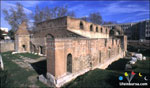
Ayasofya is a church constructed in basilica type in the 4th century. The building is called with the 7th Spiritual Council met in İznik on October 11th 787 (726 - 842). The figurative expression of the religious topics was forbidden in the iconoclastic period and symbolism prevailed. This religious meeting convened by Empress Eirene for making painting loved again has been recorded in the history as the 2nd İznik Council. After the earthquake that took place in the 11th century, an important modification has been made in its architecture and the nefs have been limited with pillars. In each of the two sides of the abscissa, there was one side location room which was covered with domes.
After 1331, it has been converted into a mosque by Orhan Gazi. In the term of Kanuni Sultan Süleyman (1520 - 1566), a niche has been added by Mimar Sinan and large arch openings has been made in the side nefs.
The building has some fresco and mosaic ruins belonging to the Byzantine Period. The frescos are on the domes and walls of the postophorium rooms and on the grave in the side nef wall. The fresco on the grave includes the pictures of Mary, Jesus and Johannes. The floor mosaic (11th century) is located in the mid nef and is a floor ornament that is made by cutting colored stones in accordance with certain geometric shapes and combining them with a interlocking motif.
The ornaments belonging to the Ottoman Period are the pen-made inscription at the arch beginning that is located in the south, the strip ornamented with plant motifs and the plaster ruin in the inner niche having a small zencerek motif. This old Ayasofya Church (mosque) is open for visit today as a monument - museum.
Sections of the Museum
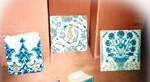
There are more than 2000 works, 300 coins, 500 İznik encaustic tiles and ceramics and 150 ethnographical works in the museum sections. 98% of the works included in the exhibition are findings obtained from scientific excavations.
(Ilıpınar Höyük Excavation, Excavation of İznik Encaustic Tile Furnaces, Menteşe Ruin Place Excavation, İznik Theatre Excavation)
The works exhibited in the museum consist of the works obtained from İznik and its surroundings and the works found in the scientific excavations. Roman, Byzantine, Ottoman Period works are exhibited in the garden of the museum. These works consist of column caps, sarcophaguses, relief, barrier plates, ambons, stelles, inscriptions, roof gutters, well bracelets and Islamic grave stones.
In the closed exhibitions, archeological, ethnographic coins and İznik encaustic tiles are exhibited.
The archeological works exhibited in the main section belong to the period from the pre - historic to the end of the Byzantine period. Also the coin section in the same section include samples from the Archaic Period (7th century BC) to the end of the Ottoman Period (1923) and the ethnographic section includes samples reflecting the traditions, cultural and social structure of the region in the near past. These are exhibited in the southern and northern locations of the Museum.
İznik Ceramic and Encaustic Tile Sections
Unique encaustic tile findings belonging to 15th - 17th century produced in İznik, which have found a large use area in the term during which they were made are exhibited in the southern part of the museum. İznik ceramics that were produced in İznik in the 11th - 14th centuries are exhibited in the northern part of the museum.
Tel : (0224) 757 10 27
|